Introduction
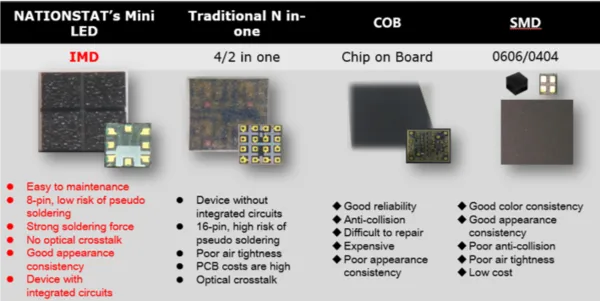
This article aims to provide a comprehensive understanding of COB (Chip-on-Board), COG (Chip-on-Glass), GOB (Glass-on-Board), IMD (In-Mold Decoration), and SMD (Surface Mount Device) technologies. Gaining insight into these concepts is essential for making informed decisions about LED screens.
In the dynamic world of LED screens, various technologies play a crucial role in determining their performance and functionality. This article aims to provide a comprehensive understanding of COB (Chip-on-Board), COG (Chip-on-Glass), GOB (Glass-on-Board), IMD (In-Mold Decoration), and SMD (Surface Mount Device) technologies. Gaining insight into these concepts is essential for making informed decisions about LED screens.
COB (Chip-on-Board) Technology
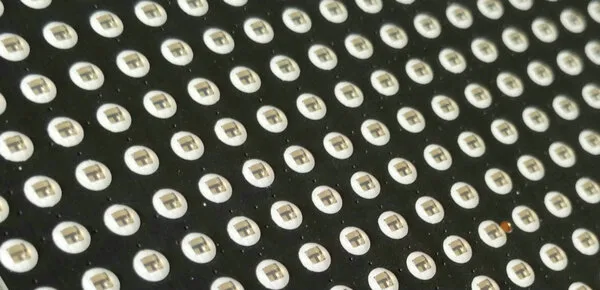
COB involves mounting LED chips directly onto a circuit board. This compact design enhances brightness and reduces the overall size of the display. Although cost-effective, COB displays may have limitations in resolution compared to other technologies.
COG (Chip-on-Glass) Technology
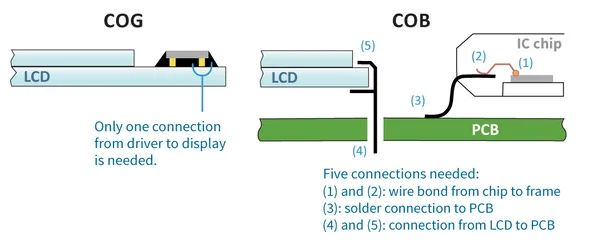
COG places LED chips directly onto the glass substrate, minimizing the distance between the LED and the display surface. This results in improved image quality and reduced power consumption. COG is preferred for applications where space and weight are critical factors.
GOB (Glass-on-Board) Technology
GOB combines COB and COG by mounting LED chips on a glass substrate, which is then attached to a circuit board. This hybrid design offers manufacturing efficiency and display performance advantages. GOB displays are known for their durability and resistance to environmental factors.

IMD (In-Mold Decoration) Technology
IMD integrates LED displays directly into molded plastic or other materials, enhancing both aesthetic appeal and protection against external elements. This technology is common in applications where design and durability are equally important.

SMD (Surface Mount Device) Technology
SMD involves mounting LED components directly onto the surface of a PCB. This allows for smaller LED sizes, enabling higher resolution displays with excellent color reproduction. SMD displays are widely used in indoor and outdoor applications.

Differences Between Technologies
About DDW Display
Choosing the right technology among COB, COG, GOB, IMD, and SMD depends on specific requirements, including size, resolution, cost, and environmental factors. Each technology boasts unique advantages, making it crucial to understand these differences when selecting an LED display solution.
Conclusion
At DDW Display, we specialize in providing cutting-edge LED display solutions tailored to meet the diverse needs of our clients. With a commitment to quality and innovation, we offer a wide range of products, including rental LED screens, flexible LED screens, and more. Our displays not only meet but exceed expectations in performance and reliability. Choose DDW Display for a comprehensive display solution that seamlessly integrates advanced technology with unmatched expertise.